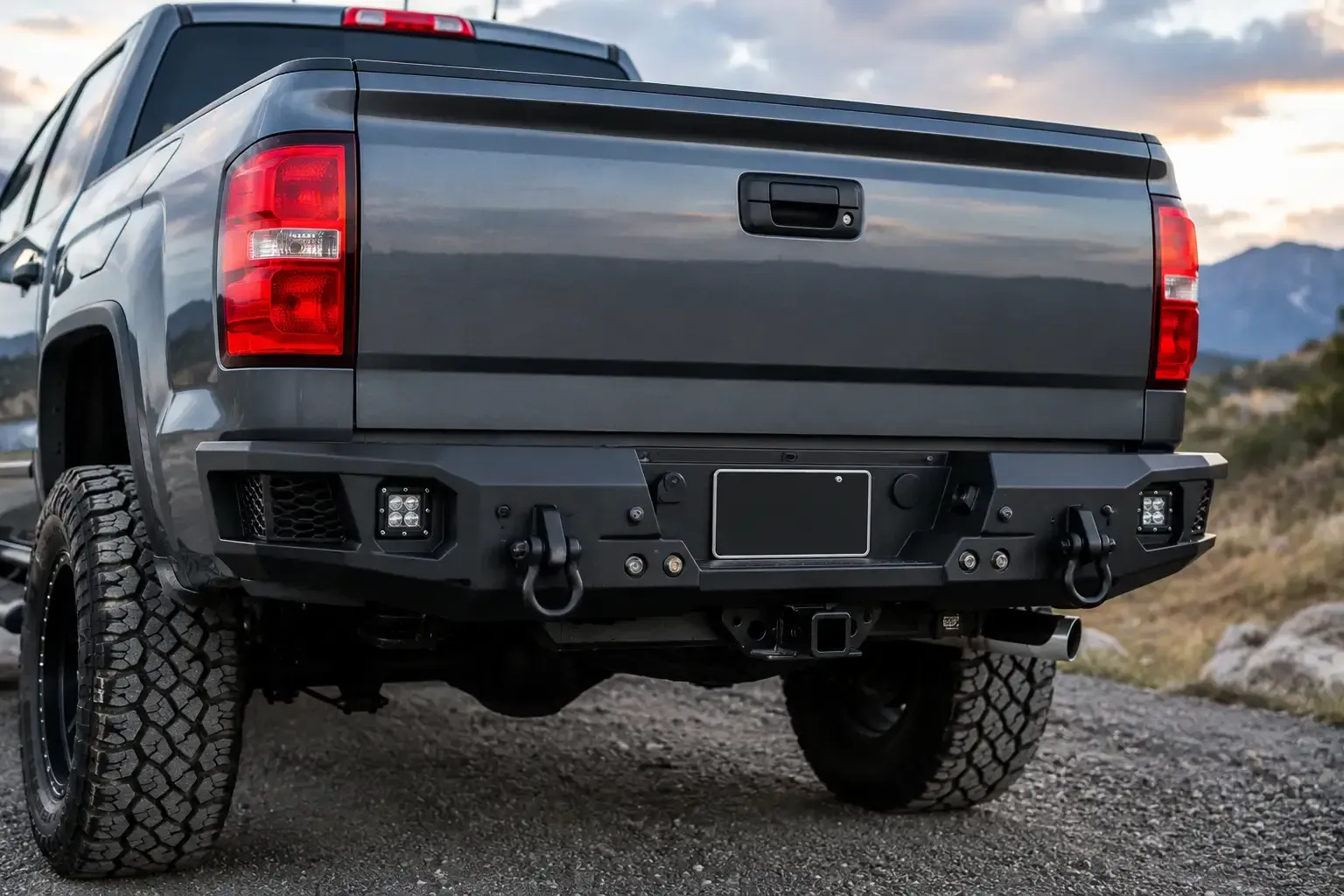
How to Measure Your Truck Bed Size for the Perfect Tool Box Fit
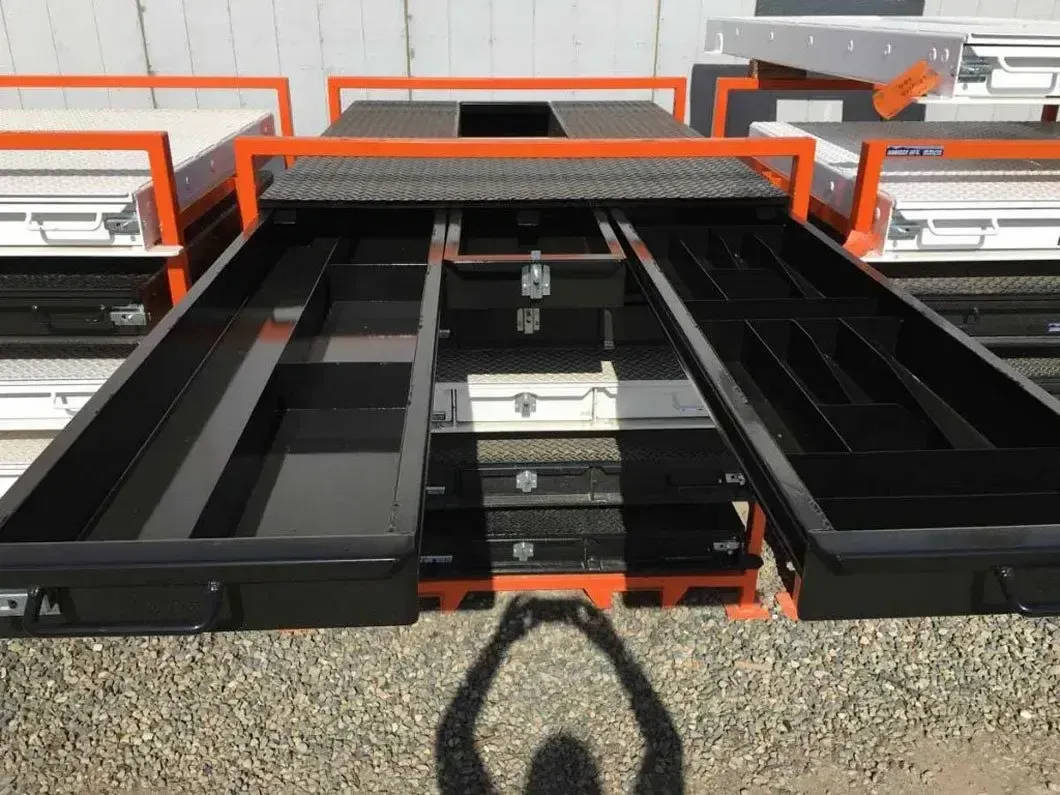
Before You Start Measuring Your Truck Bed for a Tool Box
Before you get started, it helps to understand why truck bed measurements vary so much. Two trucks from the same brand can have different rail widths, bed depths, or mounting surfaces. That’s why general sizing charts often lead to mistakes.
Next, think about the style of toolbox you want. Rail-mounted boxes, chest-style boxes, low-profile boxes, and side-mounted boxes each sit differently on the truck. Their dimensions don’t match, so your measurements need to reflect the box style you plan to install.
Clear your truck bed before you begin. Dust, loose tools, and random cargo can interfere with tape placement or cause uneven readings. A clean, empty bed helps you get reliable numbers.
Lastly, gather what you need: a long tape measure, something to write with, and patience. You don’t need complicated tools, just accuracy and a few minutes of your time.
Steps to Take While Measuring Your Truck Bed for the Perfect Tool Box Fit
If you’ve searched for things like how do I know my truck bed size or how to tell what size a truck bed is, you’ve probably come across plenty of conflicting advice. Many truck owners want to know “What is the correct and easiest way to measure a truck bed box for anybody?”, and the truth is that it comes down to following a simple, repeatable set of steps. The method below keeps things clear, even if you’re measuring a truck bed for the first time.
Step 1: Measure the Rail-to-Rail Width
This is the most important starting point because cross-bed tool boxes rest on your truck’s rails. Place the end of the tape measure on the inside edge of one rail and stretch it across to the inside edge of the opposite rail.
About halfway through this step is where you should consider whether you prefer a standard-sized box or a custom truck bed toolbox from providers like Rimrock Manufacturing. If your truck has slightly unusual measurements or heavy-duty truck toolbox needs, a custom option ensures a perfect match without forcing you to compromise on fit or durability.
Write the measurement down clearly. Even a small difference can change which toolbox fits correctly.
Step 2: Measure the Width Between the Bed Walls
This is the interior width. It tells you how much actual space you have inside the bed. Measure from one inner wall straight across to the other inner wall. This helps confirm whether the box will sit comfortably without touching the sides.
Step 3: Measure the Length of the Bed
Close your tailgate, place your tape measure on the inside surface, and extend it straight to the front bed wall. This helps you understand both your truck bed’s interior space and the overall layout. Following proper truck bed width and length measurement steps ensures you don’t overlook any measurement that may affect how your toolbox sits or mounts.
Step 4: Measure the Depth of the Bed
Measure from the top of the rail straight down to the floor of the bed. This tells you how tall the toolbox can be without limiting access or blocking your rear view. Deeper beds allow taller tool boxes, but shallow beds require low-profile options.
Step 5: Measure Rail-to-Rail Distance Behind the Cab
This is where most toolboxes rest. Measure the space between the rails right behind the cab. If this number doesn’t match Step 1, your bed shape tapers. That’s important for choosing the right mounting style.
Step 6: Measure Wheel Well Spacing (If Needed)
If you plan to add a chest-style box that sits on the bed floor, measure between the wheel wells and from the wheel wells to the front bed wall. Wheel well spacing affects how wide a floor-mounted box can be.
Key Measurements You Must Record for Accurate Tool Box Sizing
When you’re done with the basic steps, you should have several important numbers.
Some of these carry more weight than others.
1. Rail-to-Rail Width
This determines the maximum width your toolbox can be. A toolbox that’s too wide will not sit correctly on the rails.
2. Interior Bed Width
This prevents rubbing, shifting, or contact with the bed walls.
3. Bed Depth
This helps you choose the right height, especially if you prefer low-profile or deep truck storage solutions.
4. Rail Thickness
Thicker rails can affect how the box sits and clamps down.
5. Cab Clearance
A proper gap keeps the toolbox from hitting or pressing against the cab while driving.
Each of these measurements solves a potential fit issue long before installation.
Quick Tips to Follow After Completing Your Truck Bed Measurements in 2026
To get the perfect toolbox fit, double-check your numbers, compare them with product dimensions, and confirm compatibility with your truck model. Also, consider what you'll store and plan your installation in advance.
Once you’ve gathered all your measurements, here’s what to do next:
- Double-check your measurements.
Even a small reading error can throw off the fit. Go over each measurement again to make sure they’re accurate. - Compare your numbers with the toolbox specifications.
Check the width, height, depth, and mounting points listed by the manufacturer. This helps you confirm the box matches your truck bed shape. - Verify compatibility with your truck make and model.
Some trucks have unique bed rail designs or mounting shapes, so it’s important to confirm the toolbox is built for your specific vehicle. - Consider the type of equipment you’ll store.
Power tools, recovery gear, and farm equipment may require deeper or reinforced compartments. Choose a box design that supports your daily workload. - Plan your installation method.
Some tool boxes clamp on, while others need drilling. Knowing this early saves time and prevents installation issues later.
How to Ensure a Perfect Toolbox Fit on Any Pickup Truck
A perfect fit depends on more than accurate measurements. The style of the toolbox, its construction, and your truck’s rail design all affect how the box sits.
Choose a toolbox built from strong materials. Lightweight boxes flex under pressure and shift over time. A well-built box stays stable and protects your tools better.
Pick the right style for your job. Cross-bed designs offer the most space and easiest access. Chest boxes work well if you don’t want anything sitting on the rails. Low-profile boxes help keep rear visibility clear.
Most importantly, trust your measurements, not assumptions. Two trucks from the same brand can differ just enough to cause a sizing issue. Your measurements tell the true story of what will fit.
If you want a box that matches your exact truck and the work you do, Rimrock Manufacturing builds tool boxes designed for strength, precision, and everyday use.
Conclusion
Measuring your truck bed is simple when you know which dimensions matter. With accurate numbers, you can choose a toolbox that fits securely, protects your gear, and supports your daily work without any hassle. If you want the best truck bed box built for strength and long-term performance, Rimrock Manufacturing offers heavy-duty truck tool box options and custom truck storage solutions designed to match your measurements and your workload.
Rimrock Blog